
A milk cooling tank, also known as a bulk milk tank or bulk milk cooler, is a refrigerated stainless steel vessel that rapidly cools and temporarily stores raw milk after milking. Fresh cow’s milk usually enters the collection sy...
VIEW MORE
Flexible milk pouches are more sensitive to temperature and pressure changes than rigid containers. During retort sterilization, the milk heats up while residual air and vapor inside the sealed pouch expand. If the pressure outside the pouch cannot b...
VIEW MORE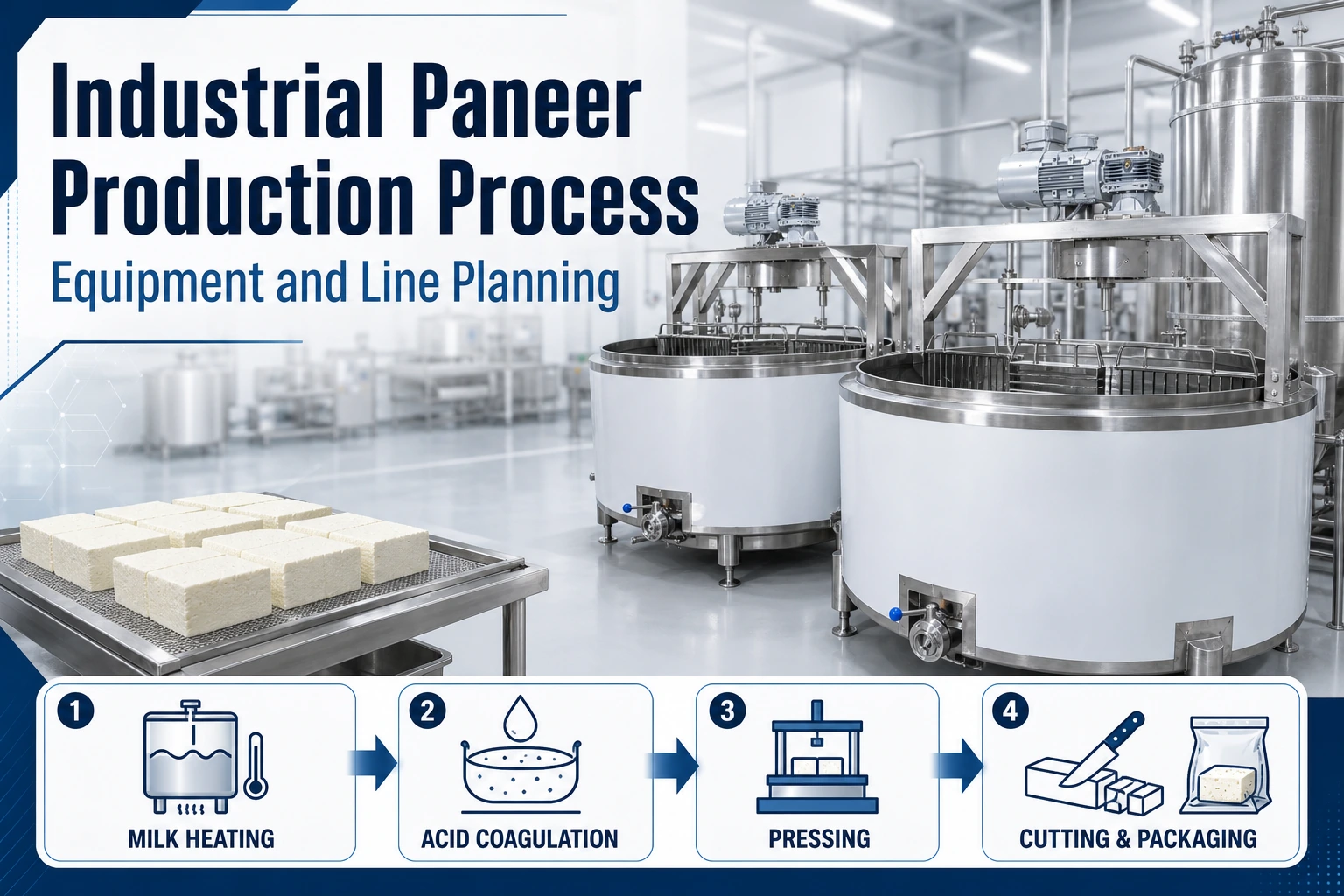
An industrial paneer production process converts milk into a fresh, acid-coagulated dairy product through controlled milk preparation, heating, coagulation, whey separation, pressing, cooling, cutting, and packaging. The basic sequence is straightfor...
VIEW MORE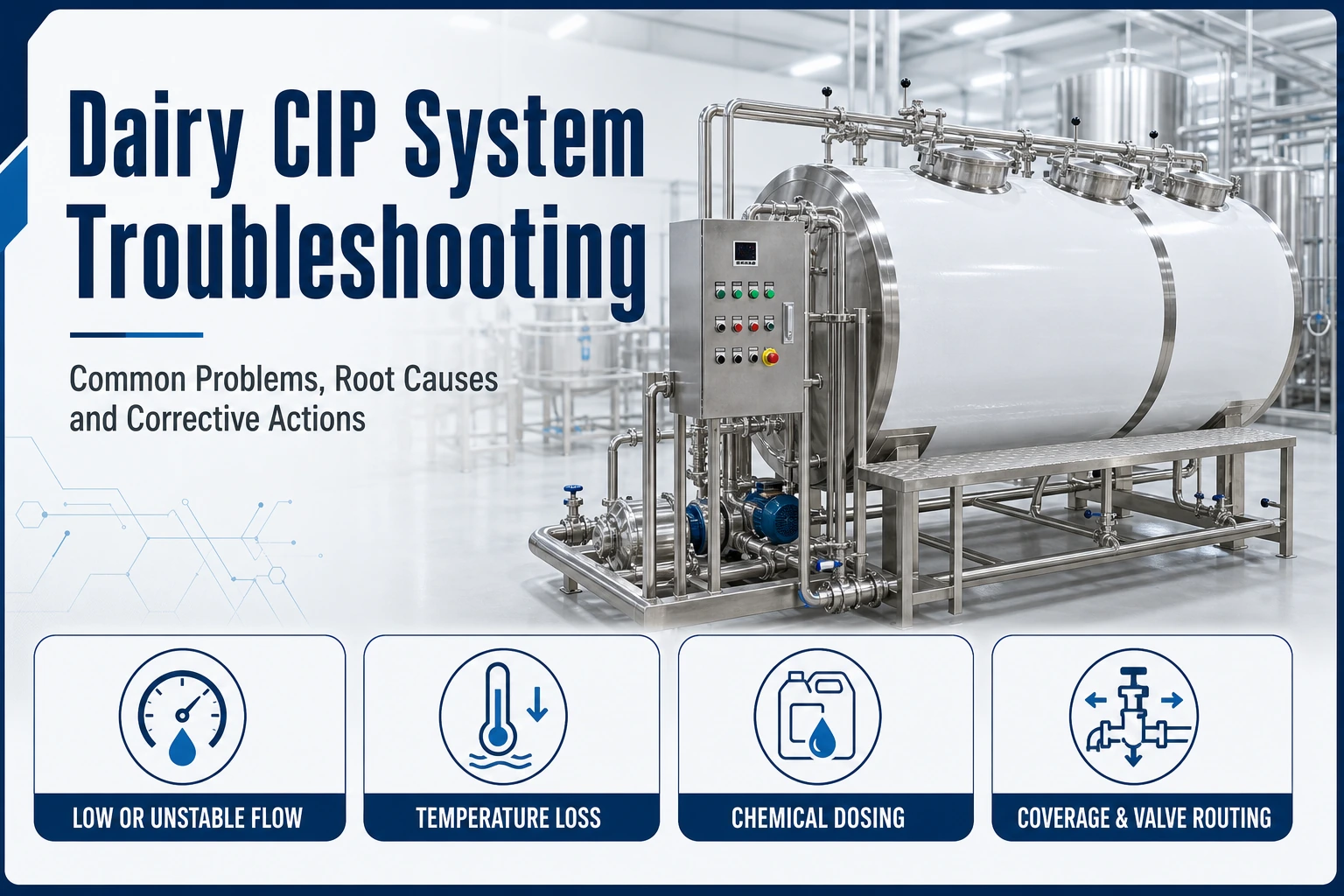
A dairy CIP system can finish every programmed step, display no alarm, and still leave product residue inside the processing line. The cause may be an unsuitable cleaning recipe, but it may also be insufficient flow, heat loss, inaccurate chemical do...
VIEW MORE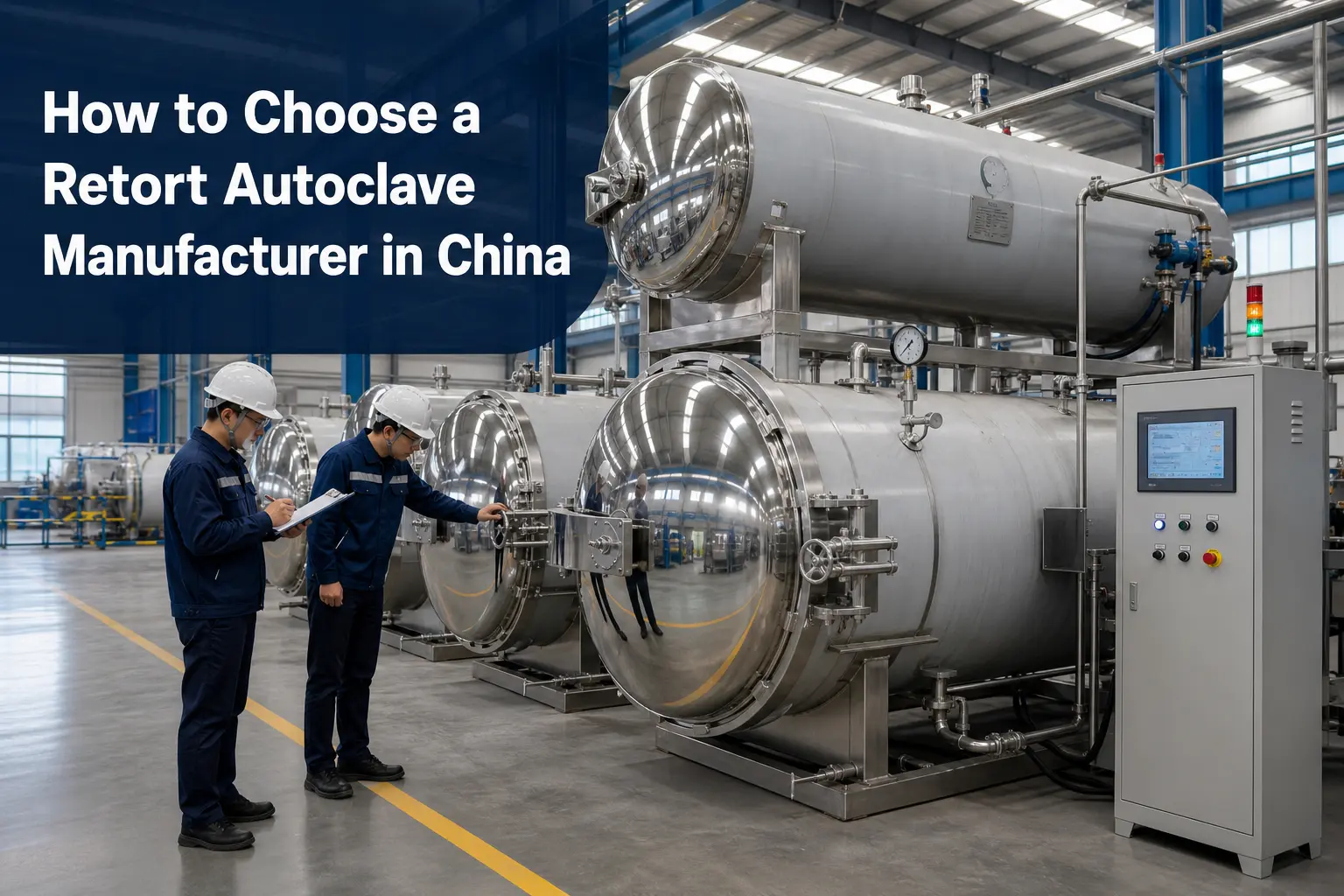
To choose a retort autoclave manufacturer in China, start with your food, package, required throughput, utilities, and destination-market requirements—not with a generic machine price. Then verify the supplier’s actual manufacturing and e...
VIEW MORE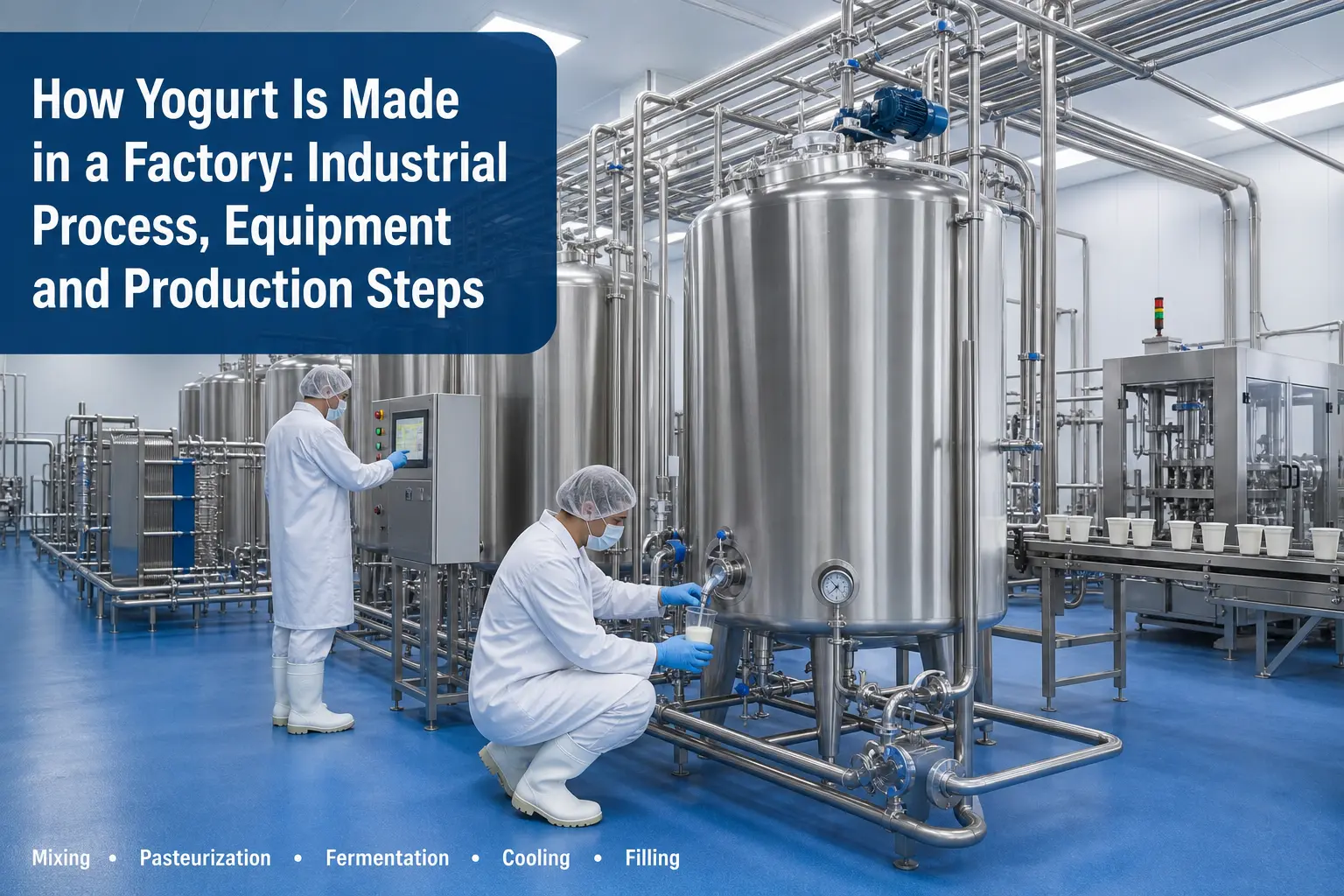
In a factory, yogurt is made by standardizing milk, homogenizing and heat-treating it, cooling it to the correct inoculation temperature, adding a starter culture, fermenting it to a target acidity, cooling it again, and then filling and storing it u...
VIEW MORE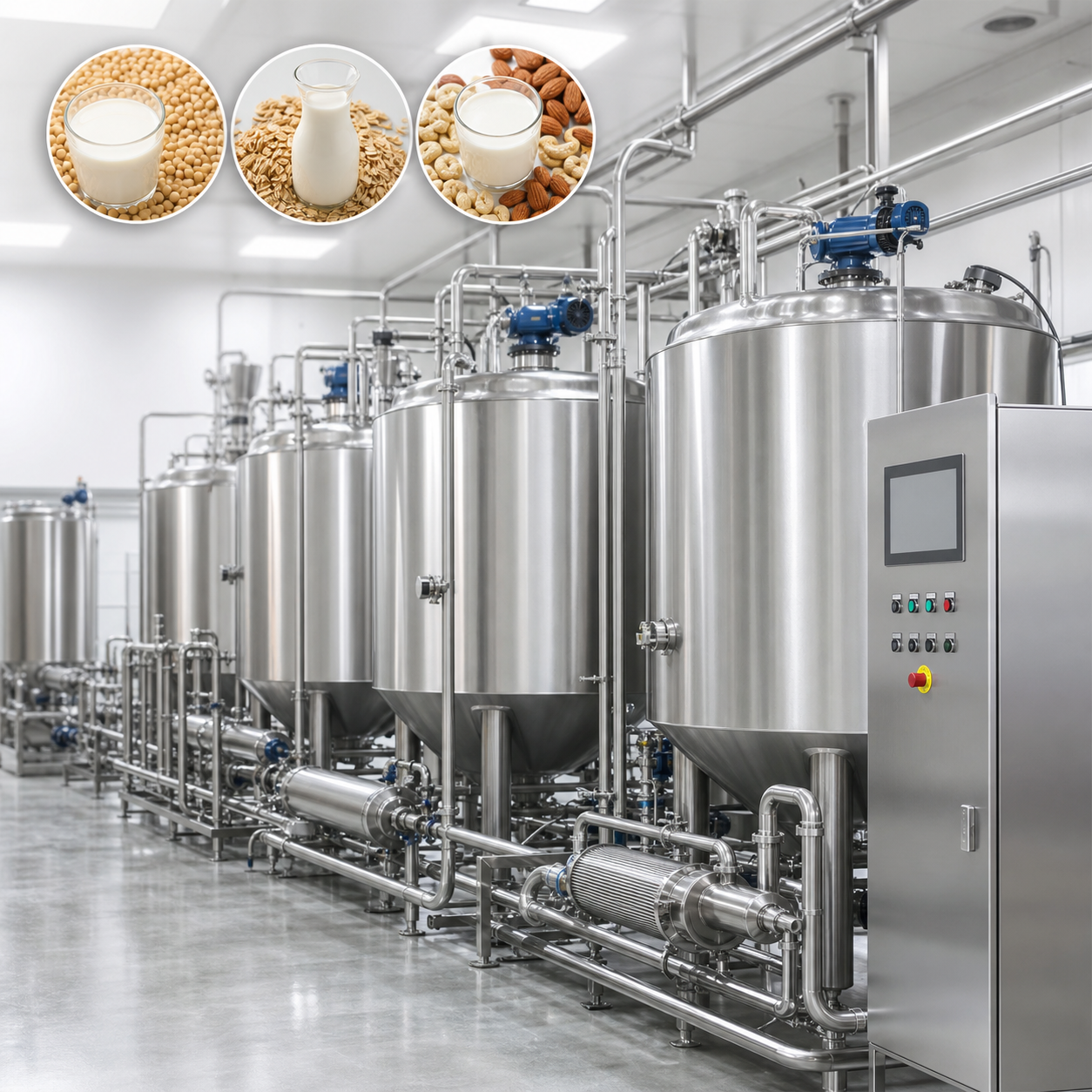
Choosing a plant based milk production line is not simply a matter of comparing machine prices or rated output. The right system depends on your raw material, recipe, production capacity, packaging format, shelf-life target and preferred level of aut...
VIEW MORE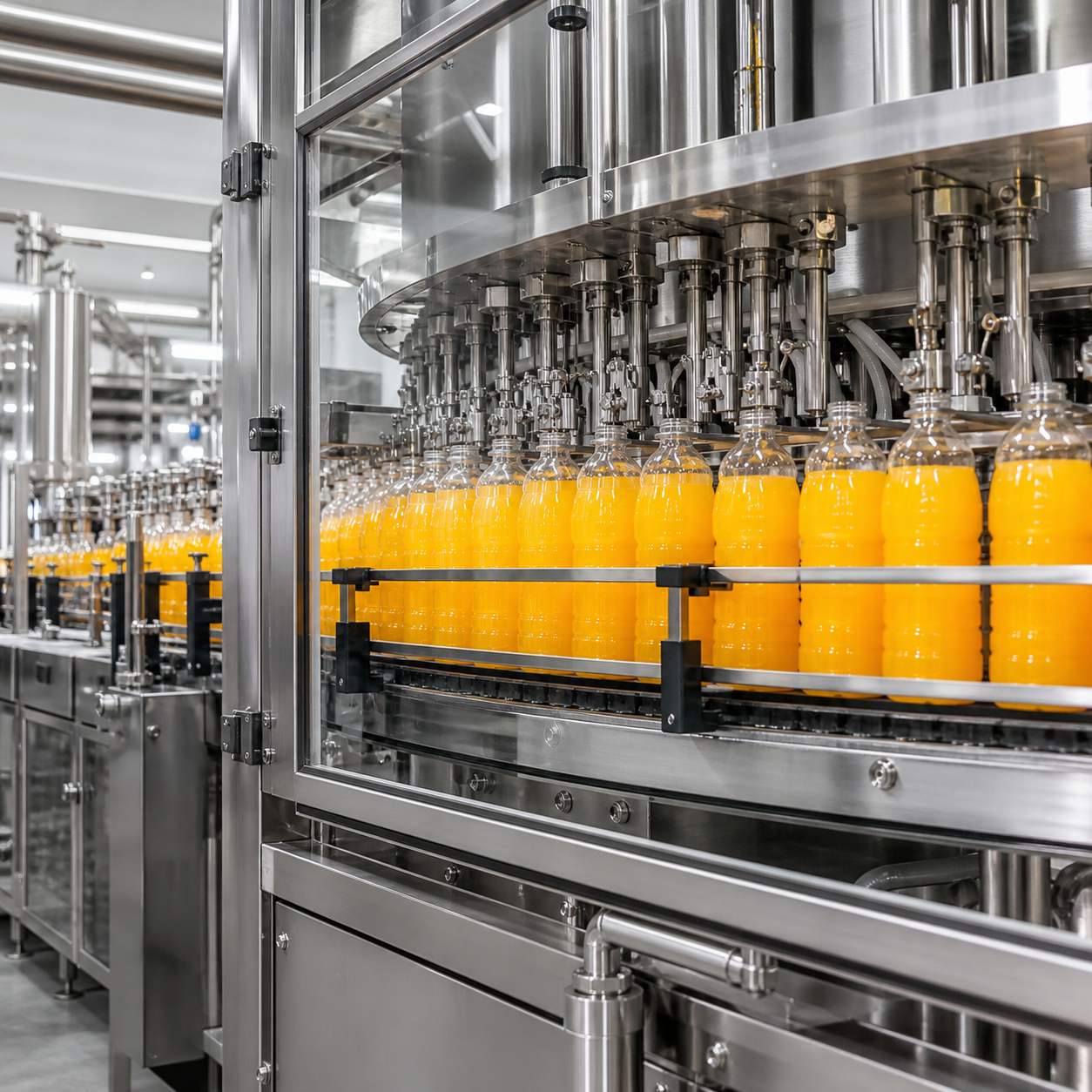
Low acid beverage aseptic filling is much more than putting a treated drink into a bottle or carton. It is a tightly controlled process that sterilizes the beverage, protects every downstream product-contact surface, decontaminates the package and cl...
VIEW MORE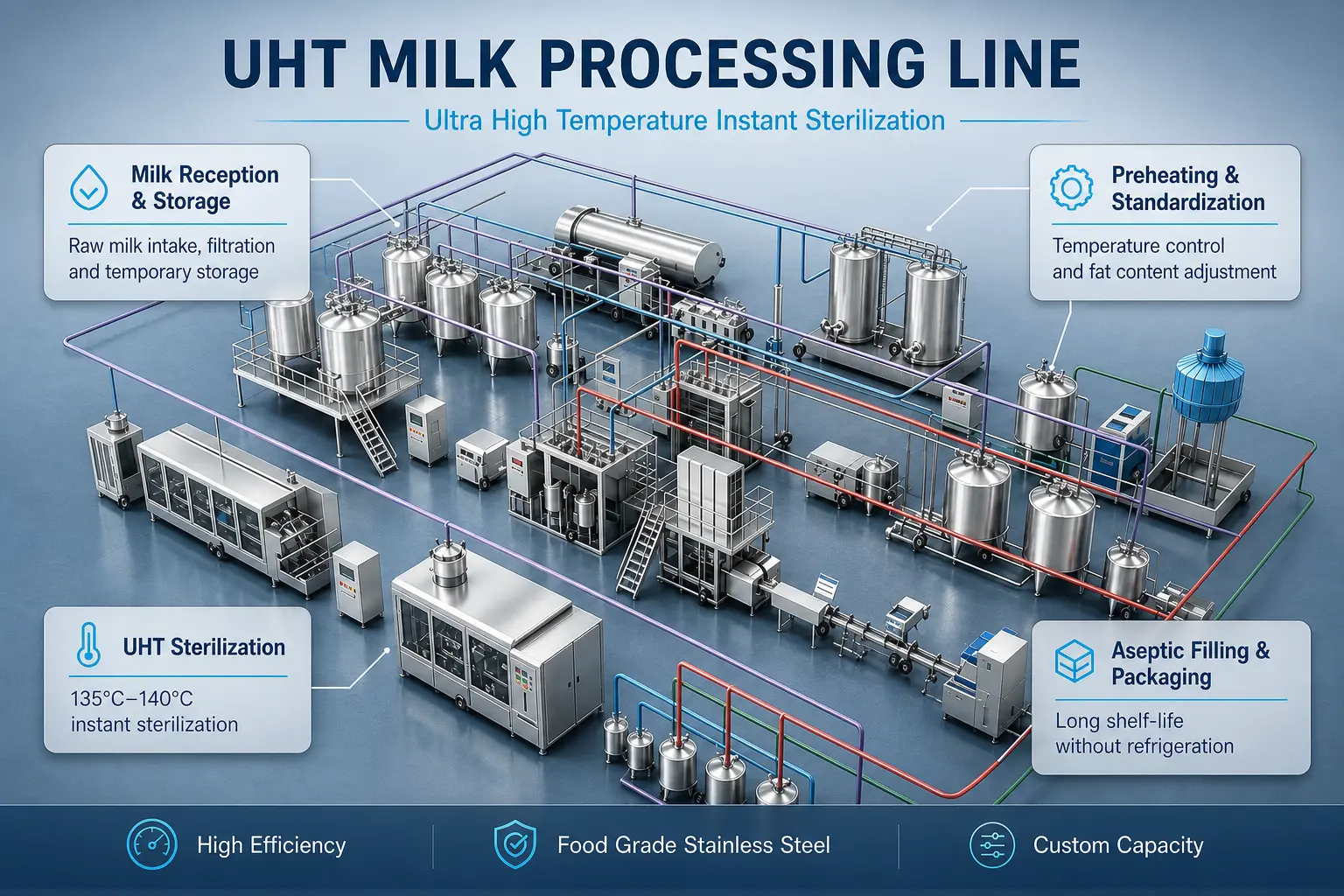
A UHT milk processing machine is the heart of a shelf-stable milk line, but it cannot work in isolation. Reliable long-life milk production depends on coordinated milk preparation, ultra-high-temperature treatment, aseptic storage and filli...
VIEW MORE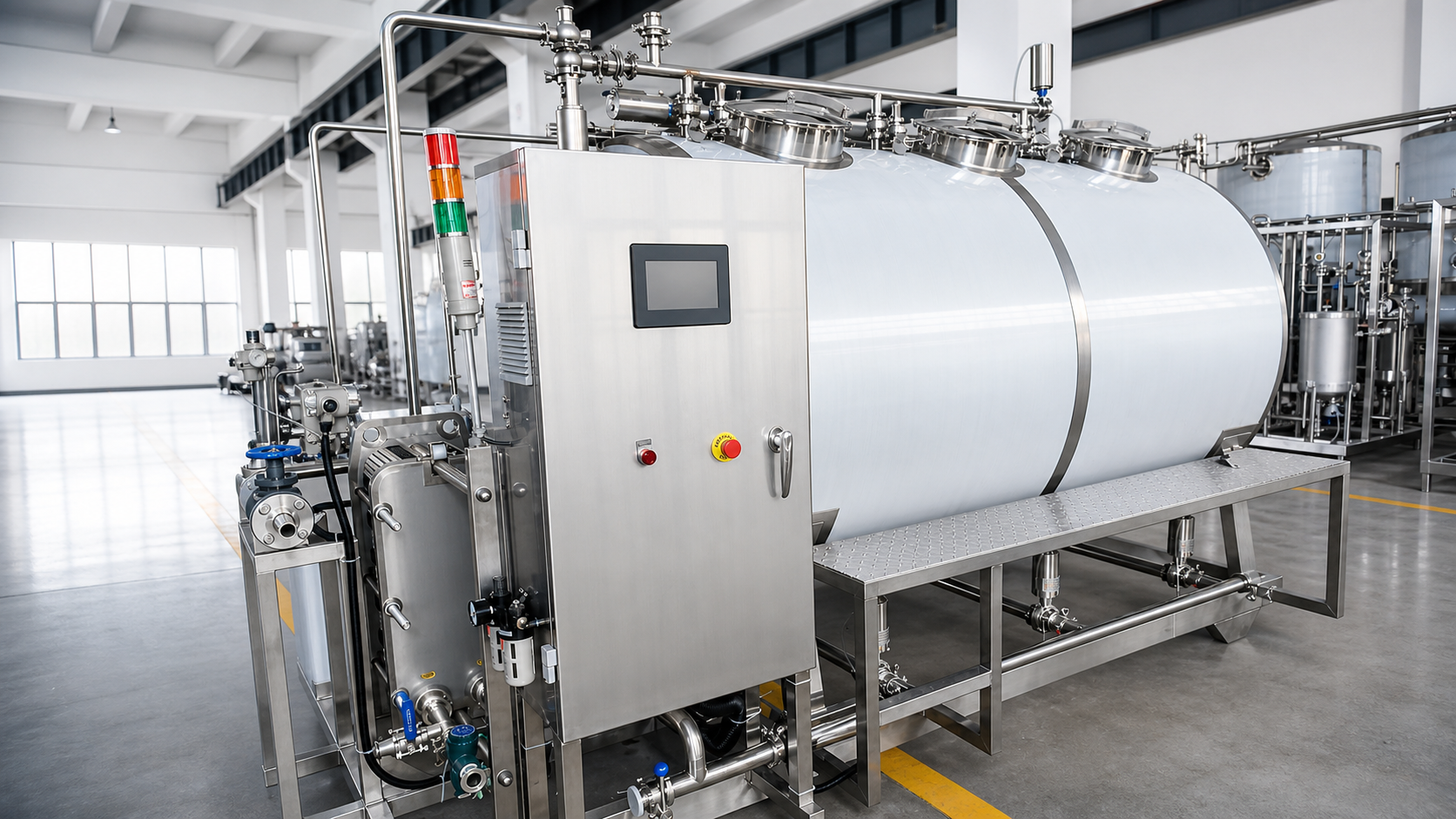
Introduction: Why Dairy CIP System Design Matters in Modern Milk Processing In a modern dairy factory, cleaning is not just a routine maintenance task. It directly affects food safety, production efficiency, equipment lifespan, and operating costs. M...
VIEW MORE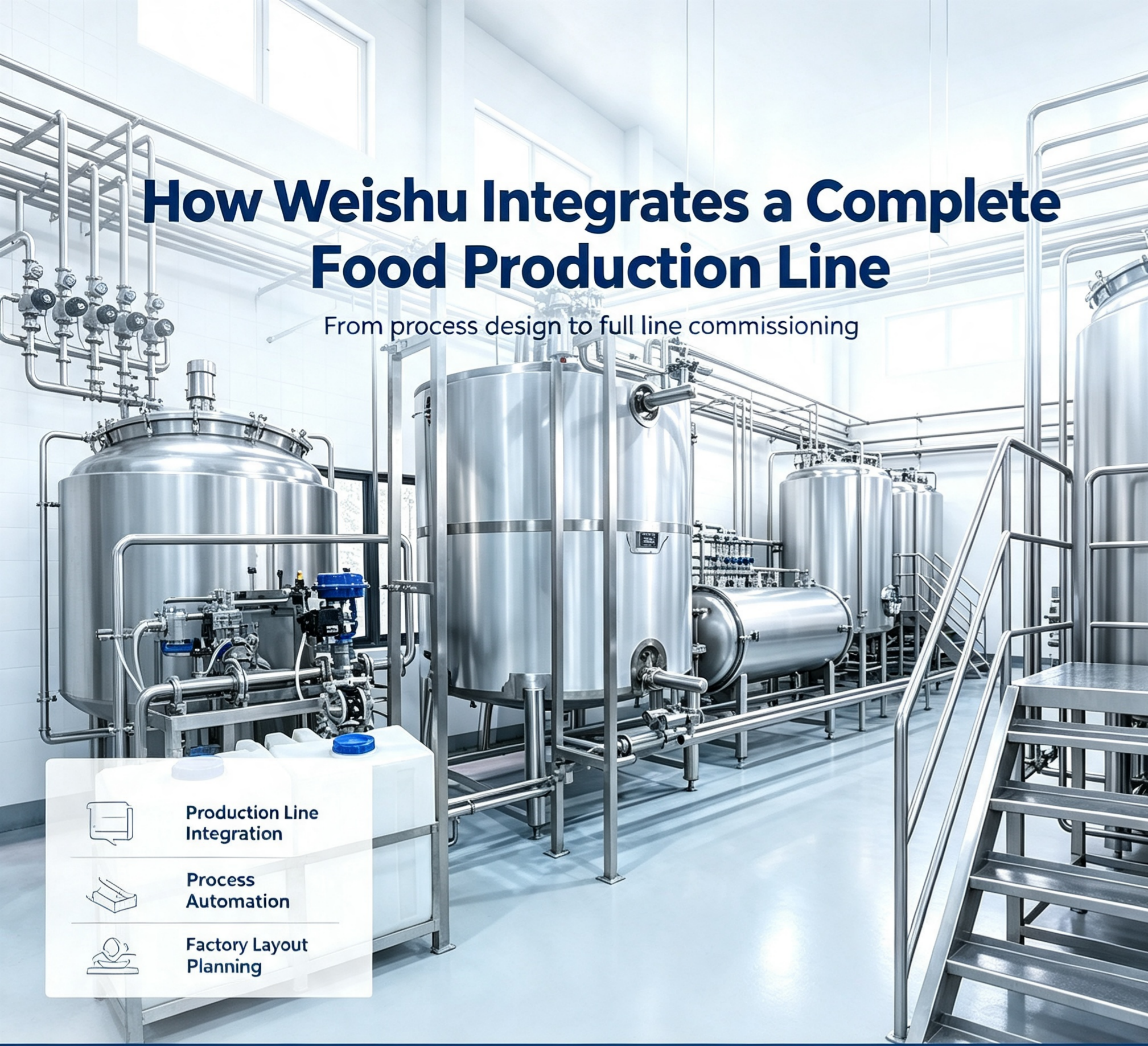
A complete production line is not simply a row of individual machines. Every tank, pump, pipe, heat exchanger, homogenizer, filler, control panel, and utility connection must operate on the same product and capacity basis. At Weishu, we manufacture a...
VIEW MORE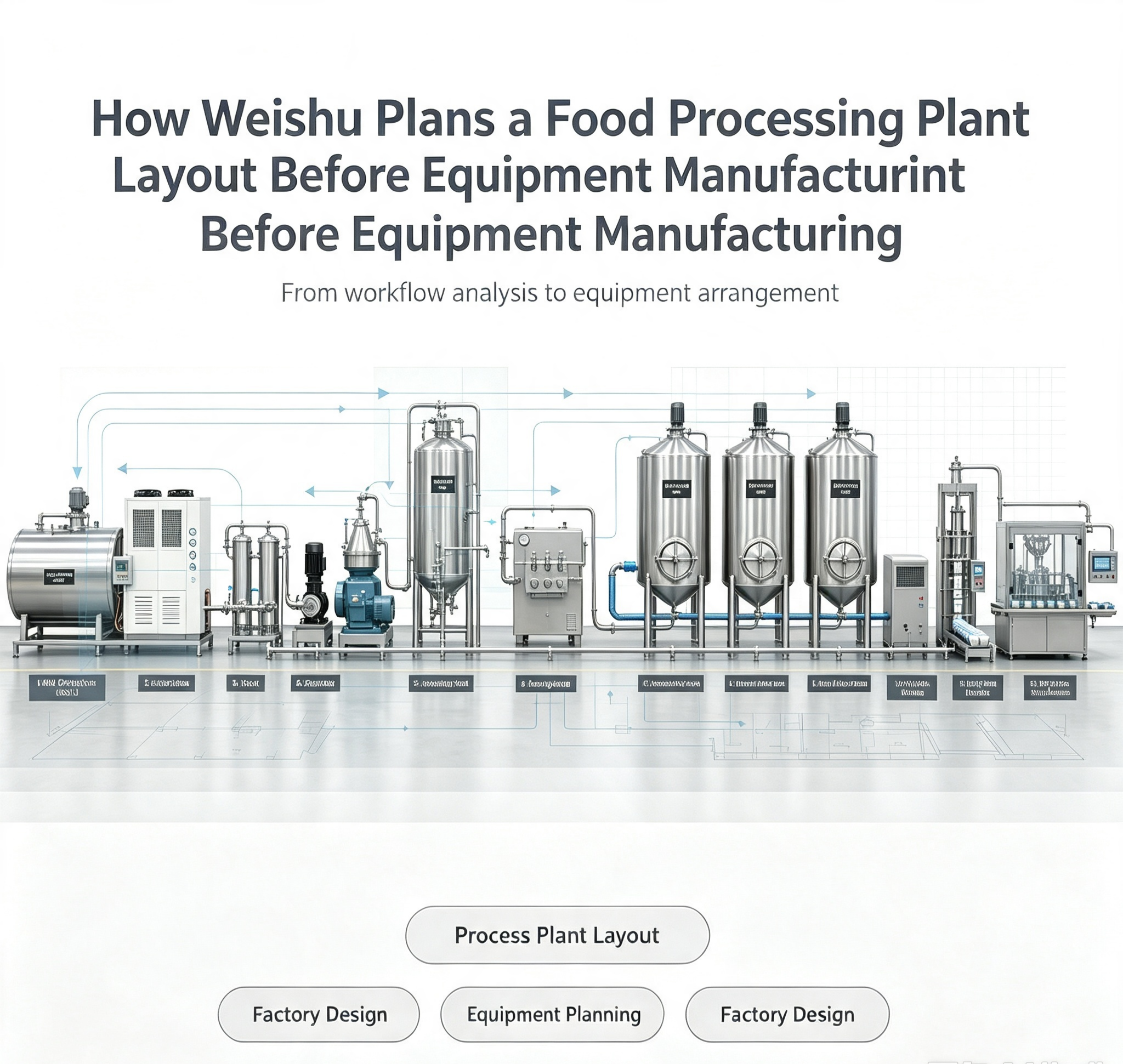
A complete food production line cannot be designed correctly by placing machines into the remaining floor space after they have already been manufactured. Tank dimensions, pipe routes, operator access, drainage, utilities, filling, cleaning, and inst...
VIEW MORE






 EN
EN