
 EN
EN
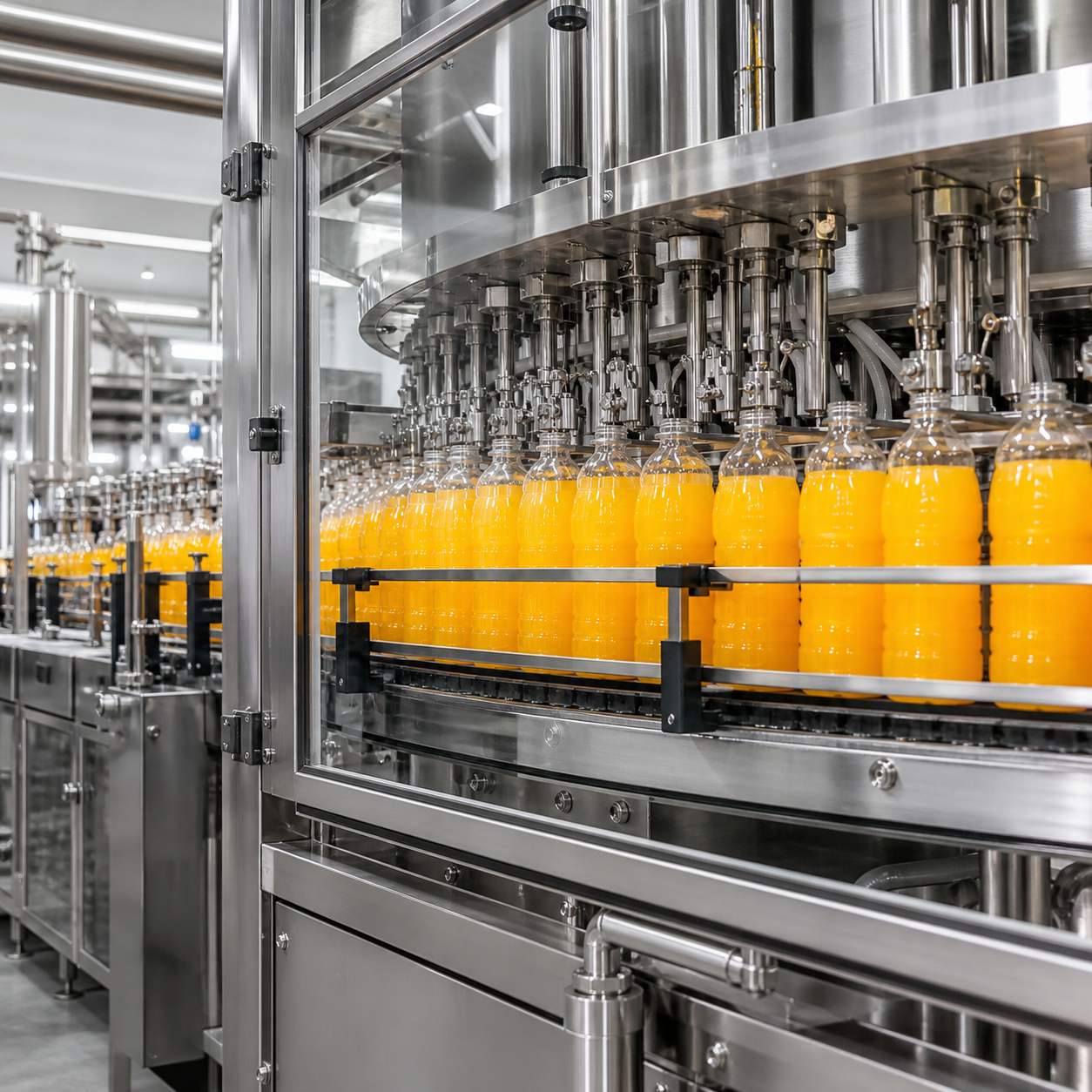
Low acid beverage aseptic filling is much more than putting a treated drink into a bottle or carton. It is a tightly controlled process that sterilizes the beverage, protects every downstream product-contact surface, decontaminates the package and closure, and seals the product without recontamination.
For buyers, the real question is not, “Which filler runs fastest?” It is which complete aseptic beverage line can handle your recipe, packaging format, output target and destination market without creating unnecessary operating costs or production risks.
Weishu works with dairy and beverage processors on connected production-line projects. This guide therefore looks at the filler as part of the wider UHT processing, aseptic holding, packaging and cleaning system—not as a stand-alone machine.
What Makes Low-Acid Beverage Aseptic Filling Different?
Low-acid drinks need tighter process control because acidity alone may not prevent dangerous microorganisms from growing. Put simply, an aseptic filler cannot rescue a poorly designed sterilization process; the product, equipment, package and operating procedures must function as one validated system.
Under the definition commonly used by the U.S. FDA for applicable shelf-stable foods in hermetically sealed containers, a low-acid food generally has a finished equilibrium pH above 4.6 and water activity above 0.85. Classification can change with the formulation, storage method and target market, so a qualified process authority should confirm it before the line is specified.
How Does Low Acid Food Sterilization Protect Shelf-Stable Beverages?
Low acid food sterilization is designed to achieve commercial sterility while keeping flavor, color, texture and nutritional quality within acceptable limits. In aseptic beverage processing, the drink and its package are treated separately and then brought together inside a protected filling zone.
The safety chain normally includes:
- Product treatment: A validated heating, holding and cooling process matched to the formulation and flow behavior.
- Protected downstream path: The hold tube, valves, piping, aseptic buffer tank and filler remain sterile after product treatment.
- Package preparation: Containers or preforms, closures and relevant contact surfaces undergo validated decontamination.
- Sterile filling and sealing: The treated beverage is filled and closed under controlled conditions.
- Process monitoring: Critical values are recorded and linked to actions such as automatic diversion, controlled stops or re-sterilization.
There is no single time-and-temperature setting for every shelf-stable beverage. Protein, fat, sugar, viscosity, particles, flow rate and heat-exchanger geometry can all affect heat transfer and the required scheduled process.
Why Do Low-Acid Beverages Require Stricter Controls Than High-Acid Products?
High acidity naturally limits the growth of some microorganisms, so certain high-acid juices and soft drinks may use hot filling or other less complex preservation routes. Low-acid formulations offer less built-in protection, which makes any loss of control after sterilization more serious.
Products that often require careful assessment include:
- Dairy and dairy-based drinks
- Oat, almond, peanut and other plant-based beverages
- Protein shakes and nutritional drinks
- Coffee or tea beverages containing milk or plant protein
- Smoothies and formulated drinks with suspended particles
The practical takeaway: confirm the product classification first, choose the preservation route second, and specify the equipment only after both decisions are clear.
How Does a Complete Aseptic Filling Line Maintain Commercial Sterility?
A complete aseptic packaging system maintains commercial sterility by controlling every step from UHT treatment to the sealed container. In other words, the sterile boundary is only as reliable as its weakest valve, pipe connection, package-treatment stage or restart procedure.
This is why buyers should assess product sterilization, downstream piping, aseptic storage, filling equipment, package decontamination and closure handling as one connected process. A failure at any interface can undermine the work done upstream.
How Are the Beverage and Product-Contact System Sterilized?
The beverage passes through a thermal processing system selected for its composition and physical properties. After the validated hold step, it is cooled and transferred through a protected circuit to an aseptic tank or directly to the filling machine.
Key design and control points include:
- Heating technology: Plate, tubular, scraped-surface and direct-heating systems suit different viscosity, fouling and particle conditions.
- Flow control: The metering system must keep the product inside the validated processing envelope.
- Automatic diversion: Product that misses a critical condition should not move forward to packaging.
- CIP and SIP coverage: Clean-in-place removes product soil; sterilization-in-place prepares the closed system for aseptic production.
- Aseptic buffering: A sterile tank can balance the UHT unit and filler, but it adds valves, instruments and surfaces that require control.
- Restart logic: Short stops, extended stops and loss of a critical condition may call for different recovery procedures.
Do not evaluate the sterilizer and filler as unrelated machines. Their capacities, control signals, pressure conditions, cleaning sequences and sterile connections must be designed to work together.
How Are Containers, Closures and the Filling Zone Protected?
The package must enter the critical filling area in a controlled condition and stay protected until sealing is complete. The right decontamination method depends on whether the line uses preforms, premade PET or HDPE bottles, cartons, cups, pouches or bulk bags.
Buyers should examine:
- Container or preform decontamination method
- Closure treatment and protected cap-delivery path
- Sterilant concentration, exposure and residual-control strategy where applicable
- Filtered air and pressure control in critical zones
- Filler enclosure design and operator access
- Cap or seal application and package-integrity checks
A label such as “aseptic-ready” is not proof of performance. Ask what evidence shows that the entire packaging path can establish and maintain the required conditions during start-up, steady production, planned stops and product changeovers.
How Should You Choose a Beverage Aseptic Filling Machine?
Choose a beverage aseptic filling machine by matching it to the product, package and production plan—not headline speed alone. The line must handle the hardest SKU and deliver saleable output after cleaning, changeovers and routine stops.
Start with a product-and-package matrix so suppliers must design around your full SKU range, not just the easiest drink.
Which Product and Package Factors Determine the Right Filling System?
Because the filler sits downstream of sterilization, product behavior affects the whole UHT beverage line. Share measurable ranges rather than describing the liquid only as “milk,” “juice” or “protein drink.”
| Decision input | Why it matters |
|---|---|
| Finished pH and water activity | Helps establish classification and preservation requirements |
| Viscosity at processing temperature | Affects pumping, heat transfer, filling accuracy and cleaning |
| Particle size and concentration | Influences exchanger design, valve passages and filling technology |
| Protein, fat and sugar content | Can affect fouling, thermal sensitivity and cleaning frequency |
| Oxygen and light sensitivity | May influence deaeration, gas management and package barriers |
| Container and closure | Determines decontamination, filling and sealing architecture |
| Shelf life and distribution plan | Connects the process with package barriers and storage conditions |
A low-viscosity milk drink in a small carton creates a different engineering challenge from a particle-containing nutritional beverage in a large bottle. The same nominal capacity does not mean the same line design.
For dairy applications, compare each proposal against the modules and packaging options of a complete UHT milk production line, rather than evaluating the filler in isolation.
Which Capacity and Operating Factors Should Buyers Compare?
Machine speed must be translated into realistic production output. Said plainly, nameplate bottles per hour are not the same as saleable bottles per shift.
Compare every supplier using the same assumptions:
- Required hourly and daily output by package size
- Number of products, flavors and packaging formats
- Product and package changeover frequency
- CIP/SIP duration and restart requirements
- Operating hours, maintenance windows and redundancy
- Upstream UHT capacity and aseptic-tank buffering strategy
- Available steam, water, electricity, compressed air and floor space
- Future plans for new SKUs, pack sizes or higher throughput
Ask what happens when the processor slows down or the filler stops. The control logic should protect the product without causing avoidable waste.
This UHT milk production line buyer’s guide provides a deeper checklist for comparing throughput, automation, utilities and supplier scope.
What Must Be Validated Before Commercial Production Starts?
Before commercial production, the processor must show that the defined product process and packaging system can repeatedly deliver the required result. The equipment supplier can support this work, but a quotation, water trial or factory test does not replace a product-specific scheduled process and on-site validation.
For products sold in the United States, applicable processors of shelf-stable low-acid foods in hermetically sealed containers may need establishment registration and process filing. Other countries follow their own rules, so regulatory requirements should be checked early—not after the machinery arrives.
What Should the Scheduled Process and Validation Plan Cover?
A qualified process authority should establish the process around the actual beverage, equipment configuration and package. If the recipe, container or critical equipment changes, the validated process may need to be reassessed.
The plan should define at least:
- Product identity, formulation limits, pH and water activity
- Viscosity, particles and other heat-transfer factors
- Product-treatment method and critical operating conditions
- Flow control and automatic-diversion logic
- Sterilization of downstream equipment and any aseptic tank
- Container, closure and filling-zone decontamination
- Critical limits, alarms, records and deviation actions
- Package sealing and container-integrity controls
- Start-up, planned stop, emergency stop and restart procedures
Be cautious when a supplier offers one generic sterilization setting for every product. A valid process follows the beverage and the installed system—not a sales brochure.
What Should Buyers Check During FAT and SAT?
Factory acceptance testing confirms that the equipment has been built and functions according to the agreed specification before shipment. Site acceptance testing checks installation, utilities, interfaces and operation in the real plant; neither test should be reduced to switching on motors and watching packages move.
| Checkpoint | Evidence to request |
|---|---|
| Instrumentation | Calibration records, ranges and sensor identification |
| Control logic | Alarm, interlock, diversion and stop-response tests |
| CIP/SIP | Cycle sequence, coverage evidence and recorded critical values |
| Sterile interfaces | Valve states, pressure protection and transfer logic |
| Package path | Decontamination controls, closure handling and seal checks |
| Data records | Traceable batch, event, alarm and critical-parameter history |
| Recovery procedures | Demonstrated response to planned and unplanned interruptions |
Set responsibilities before testing begins. The process authority, line integrator, packaging supplier, plant quality team and equipment vendors should know who provides data, runs tests, approves results and manages later changes.
How Can You Prepare an RFQ That Gets an Accurate Line Proposal?
A useful RFQ describes the beverage, package, output and project boundary before asking for a price. Put simply, vague inputs produce vague quotations—and vague quotations often hide missing equipment, utility upgrades, validation work or integration costs.
Give each supplier the same data and request the same deliverables. If layout, utilities or upstream modules are still unclear, review this guide to planning a complete milk processing plant before issuing the RFQ.
What Product, Capacity and Packaging Data Should You Submit?
The first RFQ does not need to disclose confidential recipe percentages, but it must contain enough engineering detail to avoid guesswork. Use a confidentiality agreement when the supplier or process authority needs the full formulation.
Include:
- Beverage type and key ingredients
- Finished pH and water activity, if available
- Viscosity range and measurement temperature
- Particle dimensions, concentration and fragility
- Heat sensitivity, foaming tendency and oxygen sensitivity
- Target shelf life and ambient or refrigerated distribution
- Container material, volume, neck finish or closure
- Required output by SKU and package size
- Working days, shifts and planned production hours
- Destination country and applicable regulatory market
- Available utilities, installation space and target start date
Practical tip: attach a product-and-package matrix instead of burying the details in an email. It helps suppliers size the line around the hardest SKU.
What Costs and Supplier Responsibilities Should You Compare?
Compare the total project scope and lifecycle cost, not only the filler price. Two quotations with similar totals can include very different levels of process integration, validation support and commissioning responsibility.
| Comparison area | Questions to ask |
|---|---|
| Equipment scope | Are the UHT unit, aseptic tank, filler, closure system, conveyors and inspection included? |
| Utilities | What steam, water, power, air and cooling services are required? |
| Consumables | Which chemicals, filters, seals and sterile-zone consumables are needed? |
| Performance basis | Is output nominal speed or agreed saleable production under defined conditions? |
| Validation support | Who provides protocols, test data and process-authority coordination? |
| Integration | Who owns interfaces between processing, filling, packaging and plant systems? |
| Service | What installation, training, spare parts and technical support are included? |
For a preliminary line discussion with Weishu, send your beverage type, key product properties, target capacity, package format, destination country and project schedule. Those inputs make it possible to discuss a relevant process flow and equipment scope instead of returning a generic aseptic filling machine quotation.
Table of Contents
- What Makes Low-Acid Beverage Aseptic Filling Different?
- How Does a Complete Aseptic Filling Line Maintain Commercial Sterility?
- How Should You Choose a Beverage Aseptic Filling Machine?
- What Must Be Validated Before Commercial Production Starts?
- How Can You Prepare an RFQ That Gets an Accurate Line Proposal?