
 EN
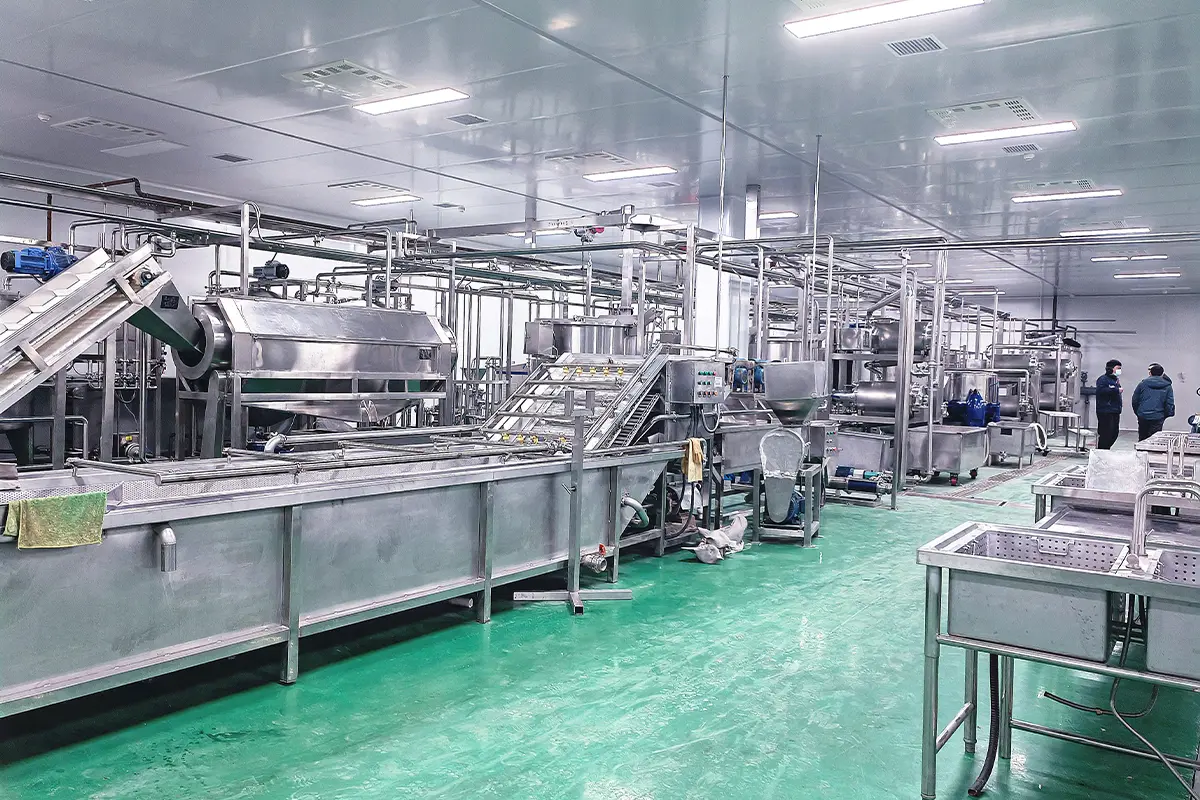
The beverage market is shifting rapidly toward health, freshness, and local authenticity. Today, consumers are eager to buy Not-From-Concentrate (NFC) juices, organic berry blends, and farm-fresh cold-pressed drinks. For fruit orchard owners, local cooperatives, and ambitious beverage entrepreneurs, opening a small scale fruit juice processing plant is one of the most profitable ways to add massive value to raw produce.
However, entering the food manufacturing sector can feel overwhelming. Many startups assume they need multi-million dollar budgets, massive warehouses, and advanced fluid engineering degrees to get started.
The truth is, you don’t. By focusing on a lean, high-efficiency equipment setup, you can launch a compliant and highly profitable business with a manageable initial investment. As a premier global specialist in compact fluid systems, Weishu Machinery has developed this practical guide to help you transition from concept to your very first commercial batch.
Step-by-Step Blueprint to Launching Your Plant
Setting up a factory requires a logical sequence. Before purchasing a single piece of stainless steel hardware, ensure you have addressed these three foundational pillars:
Define Your Raw Material and Product Strategy
Are you processing a single seasonal fruit (like apples or oranges) or a multi-fruit blend? Different fruits require completely different extraction methods. For instance, citrus fruits require specialized peeling and cup-pressing to prevent bitter peel oils from ruining the taste, while berries require crushing and screw-pressing. Defining your product matrix early ensures you do not waste budget on unnecessary machinery.
Design a Compact, Compliant Plant Layout
In a small-scale facility, space efficiency is everything. Your shop floor must be designed around a strict "One-Way Flow" principle: raw fruits enter at one end, pass through washing, extraction, pasteurization, and filling, and emerge as finished packaged goods at the other end. This linear layout is critical for passing local food safety audits (such as FDA or HACCP compliance) because it prevents cross-contamination between raw produce and sterilized liquids.
Audit Your Factory Utilities
A processing line cannot run without stable utilities. Before your equipment arrives, work with a local contractor to ensure your building has:
- Three-Phase Power: Industrial motors and pumps require robust electrical infrastructure.
- A Reliable Clean Water Supply: Critical for both fruit washing and automated machine rinsing.
- A Compact Steam Generator or Hot Water Boiler: Required to feed the heating sections of your pasteurizer.
The Essential Equipment Checklist for Startups
To maximize your Return on Investment (ROI), Weishu Machinery recommends a "Lean Configuration" that guarantees commercial-grade product safety without packing your floor with bloated, redundant hardware.
A standard 500 L/h to 2,000 L/h line consists of five core stages:
- Fruit Pre-Treatment: A bubble washing machine thoroughly removes soil and residues using water turbulence, followed by a manual sorting conveyor where operators remove bruised fruits.
- Juice Extraction: Depending on your fruit type, a compact belt press or a heavy-duty screw juicer extracts the maximum liquid yield while separating the seeds and skins.
- Filtration and Blending: A duplex stainless steel filter removes large fibers and pulp, transferring the smooth liquid into a jacketed blending tank equipped with an agitator to mix different fruit profiles or add natural stabilizers.
- The Thermal Heart (Pasteurization): For a small scale fruit juice processing plant, a compact plate pasteurizer is the absolute best investment. Weishu Machinery engineers specialized small-scale pasteurizers that take up less than 3 square meters of floor space yet achieve up to 85%+ thermal regeneration efficiency, dramatically slashing your daily energy bills.
- Semi-Automated Packaging: A compact, monoblock filling-and-capping machine dispenses the pasteurized juice into glass or PET bottles under strict sanitary conditions.
Why Weishu Machinery is the Ideal Partner for Startups
At Weishu Machinery, we believe that small-scale processors deserve the exact same manufacturing quality, component reliability, and food safety standards as massive global conglomerates. We empower startups through innovative, accessible engineering:
- Plug-and-Play Skid-Mounted Designs: To eliminate the high cost of flying engineers across the world for on-site setup, we offer turnkey skid-mounted lines. All piping, valves, electrical wiring, and pumps are completely pre-assembled on a single heavy-duty stainless steel base at our factory. When it arrives, you simply connect your water, power, and steam, and you are ready to produce.
- Global Component Standardization: We never cut corners on controls. Even our entry-level lines feature premium international hardware, including Siemens PLCs, Schneider electronics, and SMC pneumatic valves. If you ever need a spare part, your local technician can source it immediately in your home country.
- Scalable Engineering Consultation: We don't just sell hardware. Our engineers calculate your fluid pressures and thermal curves to ensure your pumps and pasteurizers work in perfect harmony, preventing product blockages and temperature lag.
Launch Your Juice Business Today
Starting a small scale fruit juice processing plant does not require a massive corporation's budget. It requires smart, compact, and highly efficient engineering that protects your flavor profiles while ensuring total microbiological safety.
Are you ready to turn your farm harvest into a premium retail beverage brand? Contact the startup support division at Weishu Machinery today. Tell us your fruit varieties and your target daily volume, and our engineering team will provide a custom 3D workshop layout and a comprehensive, transparent equipment quote within 48 hours.