
 EN
EN
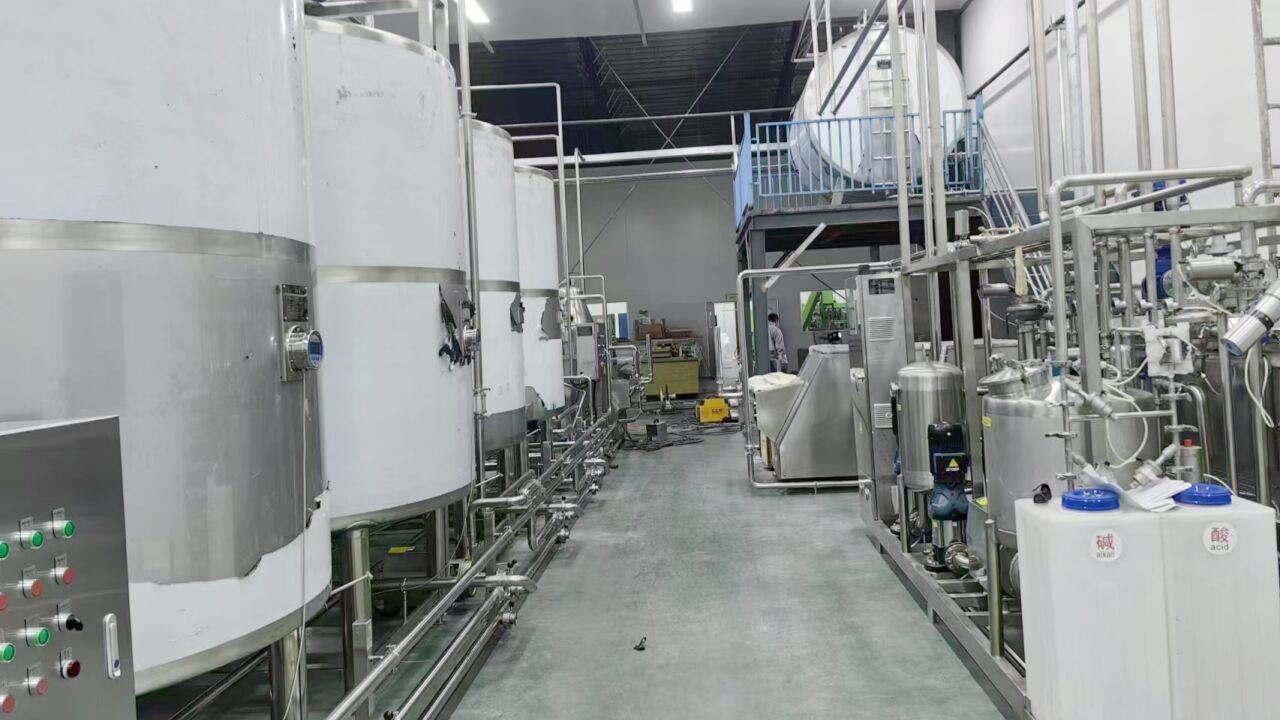
For a dairy brand, transitioning to an Ultra-High Temperature (UHT) milk processing plant is more than just an equipment upgrade — it is a logistics and market expansion strategy. By eliminating the dependency on the cold chain, UHT technology allows you to reach national markets, export across borders, and reduce waste in regions with inconsistent refrigeration.
However, UHT is also the most energy-intensive and technically sensitive part of the dairy industry. This guide explores the critical decisions that define a successful UHT installation, from heating technology to aseptic integrity.
The Core Value: Why Invest in UHT?
The primary problem a UHT milk processing plant solves is shelf-life vs. logistics cost. While pasteurized milk lasts 7–14 days and requires a refrigerated fleet, UHT milk lasts 6–12 months at ambient temperatures. This makes it the preferred format for:
• Large-scale distribution where transport times exceed 48 hours
• Markets with last-mile refrigeration gaps
• Institutional supply (schools, hospitals) requiring stock stability
Direct vs. Indirect Heating: The Most Critical Choice
When planning a UHT milk processing plant, you will face two primary sterilization technologies. This decision affects your product quality, capital cost, and monthly energy bill.
Indirect Heating (Tubular or Plate)
• Pros: High energy recovery (up to 90% heat regeneration), lower capital cost, simpler to operate.
• Cons: Longer heating and cooling times; higher risk of cooked flavor; higher fouling risk.
• Best For: Standard white milk, flavored milk, and cost-sensitive high-volume production.
Direct Heating (Steam Injection or Infusion)
• Pros: Minimal thermal load; preserves fresh taste and nutrition; handles high-viscosity products well.
• Cons: Higher energy consumption; higher capital cost; complex vacuum systems required.
• Best For: Premium milk brands and heat-sensitive dairy beverages.
Essential Modules of a UHT Processing Line
Deaerator (Vacuum Chamber)
Removes dissolved air and unwanted volatile odors from raw milk, preventing off-flavors and reducing fouling in heat exchangers.
High-Pressure Homogenizer
Breaks fat globules to less than 2 microns. Often placed downstream of heating to ensure smooth mouthfeel and zero cream separation over shelf life.
Tubular Sterilizer
Preferred for UHT over plates. Can handle higher pressures and allow for longer production runs (up to 20 hours) because they are less prone to fouling.
The Aseptic Buffer Tank (ABT)
Acts as a sterile reservoir between the UHT plant and filling machine. Maintained at positive pressure with sterile air/nitrogen to prevent contamination.
The Sterile Zone: Maintaining the Magic Barrier
The transition from UHT plant to filling machine is the most vulnerable point. Key Aseptic Requirements:
• Double-Seat Valves: To prevent cross-contamination between product and CIP solutions.
• Steam Barriers: Using live steam to blanket gaskets and seals in the aseptic section.
• SIP (Sterilize-in-Place): Pressurized hot water (125°C+) for 30–60 minutes before every run.
Energy Efficiency and Heat Recovery (ROI)
UHT processing is a cycle of heating to 140°C and cooling to 20°C. Modern indirect plants use Product-to-Product heat recovery. Cold milk entering cools the hot milk leaving.
• Target Spec: A high-efficiency UHT plant should achieve 85–92% heat regeneration.
A lower purchase price for a less efficient system will be eaten by your steam bill within the first year.
Three Signs Your Dairy is Ready for UHT
• Market Radius > 300km: Transport costs for pasteurized milk justify UHT investment.
• Retail Demand for Ambient Shelving: Supermarkets prefer ambient dairy to lower electricity and shrink costs.
• Raw Milk Quality is Stable: UHT is not for low-quality milk; it needs high-quality raw material to survive high heat.
Summary: Designing for the Long Term
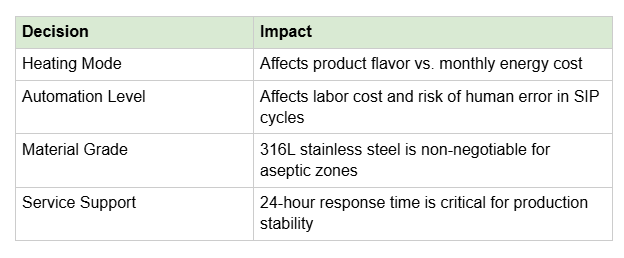
A UHT milk processing plant is a sophisticated balance of thermodynamics and microbiology. When designed correctly, it becomes the backbone of a dairy brand's growth.
Weishu Machinery specializes in complete UHT milk processing plant solutions, including both indirect tubular and direct infusion systems. From 1,000 L/H to 20,000 L/H, engineered for 90%+ heat recovery and maximum aseptic reliability. Contact our engineers to discuss your product specifications and energy-saving targets.