
 EN
EN
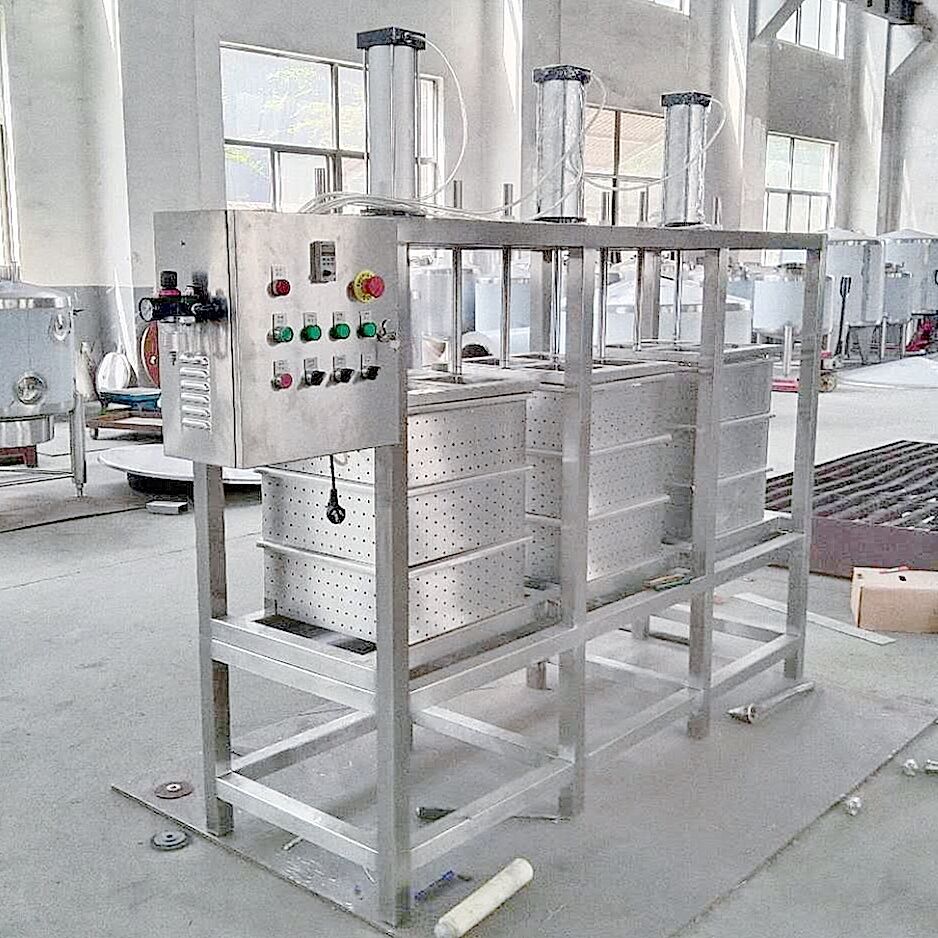
בישול גבינה מקצועי, יעילות ההמרה מהגבעולים למוצר הסופי תלויה במידה רבה בשלב הדחיסה. אם כי לדחיסה ידנית מסורטטת יש אופי של אומנות, ציוד ידני נוטה לתקוע בזמינות הדיוק הדרוש להפקה בקנה מידה גדול.
לחברות חלב שמחפשות לשפר את כושר הייצור שלהן, מכונות דחיסת גבינה הן מפתחיות להשגת ייצור סטנדרטי. הן משתמשות באויר דחוס כדי לספק לחץ אחיד, ניתן להתאמה וקבוע, המבטיח הסרת רוטב מלאה, ובכך יוצר מבנה פנימי אידיאלי של הגבינה. בין אם מייצרים גבינות קשיחות ודחוסות או גבינות חצי-קשיחות עם טקסטורה עדינה, בקרת לחץ מדויקת עד לרגל היא חיונית כדי להבטיח מעמד בשוק המפואר.
התמודדות עם אתגרי תנודות: מגבלות שיטות הדחיסה המסורתית בייצור מודרני
ייצור גבינות עקבי הוא בעיה נפוצה בקרב יצרני חלב רבים, גם כאשר הם משתמשים באותה נוסחה. תנודתיות זו נובעת לרוב מהחומרה הלא יציבה בתהליך הדחיסה. דחיסה מסורתית עם עומס כבד או דחיסה בקפיצים פגיעה בשגיאות אנושיות ובעייפות מכנית, מה שגורם להבדלים בלחץ המופעל.
גם סטיות קלות בלחץ הדחיסה עלולות לגרום ישירות ל:
- שאריות סריא: לחץ מקומי בלתי מספיק עלול לגרום לשהייה של סריא, מה שיוצר כתמים רכים אשר משפיעים לא רק על הטעם אלא גם ממהרים את התפרקות הגבינה.
- התפלגות צפיפות לא אחידה: אזורים לא צפופים או צפופים מדי נוצרים בתוך הגבינה, מה שפגוע באיכות החתיכה ובתהליך הבגרות שלה.
- אובדן תשואות: לחץ לא תקין עלול לגרום לניקוז לא מלא של הסריא, או להיפך – לדחיסת חלבונים בעלי ערך יחד עם הסריא, מה שגורם לבזבוז חומרים.
מערכת הלחיצה הפנאומטית של Weishu Intelligent Machinery משתמשת בטכנולוגיית תקן תוספת קבועה כדי להבטיח שהלחץ נשאר יציב לאורך מחזור העבודה כולו, ללא ירידה בלחץ עקב קOLLפס קל של נפח הגבינה.
תרחיש יישום: בחירת פתרון מתאים בהתאם לגודל הייצור
בחירת מדריך גבינה דורשת איזון בין כושר הייצור הנוכחי לצרכים העתידיים של הרחבה. Visun מציעה תצורות ממותקות בהתאם לתרחישים המפורטים של הפעלה:
לסדנאות ידניות: קפיצה מהשיג על בסיס ניסיון לשליטה מבוססת נתונים
לסדנאות חלב קטנות, הצרכים המרכזיים הם הקטנת עוצמת העבודה וزيادة שיעור הצלחת שחזור המתכונים. מדחסי גבינה פנאומטיים חד-תחנות מאפשרים לייצרנים לקבוע מראש פרמטרי לחץ לסוגים השונים, ובכך לבטל את הטיפול הידני הכבד ולדאוג לכך שכל партиית גבינה תיווצר תחת לחץ אידיאלי.
למפעלים בגודל בינוני עד גדול: מקסם את קצב הזרימה של קו הייצור באמצעות מערכות מרובה תחנות.
כאשר ייצור מגיע למסקלה גדולה, יעילות הופכת לחיונית. מערכות דחיסה פנאומטיות מרובה תחנות תומכות בערימה אנכית או בסידור מטריצי אופקי של תבניות. העיצוב היעיל ביותר של מערכת ויס מאפשר לעובדים לדחוס מאות קילוגרמים של מוצר מחזור אחד, ובכך מפחית באופן משמעותי את זמן החיבור מטנק הקרישון לשלב המלח, ומעלים את הפליטה היומית הכוללת.
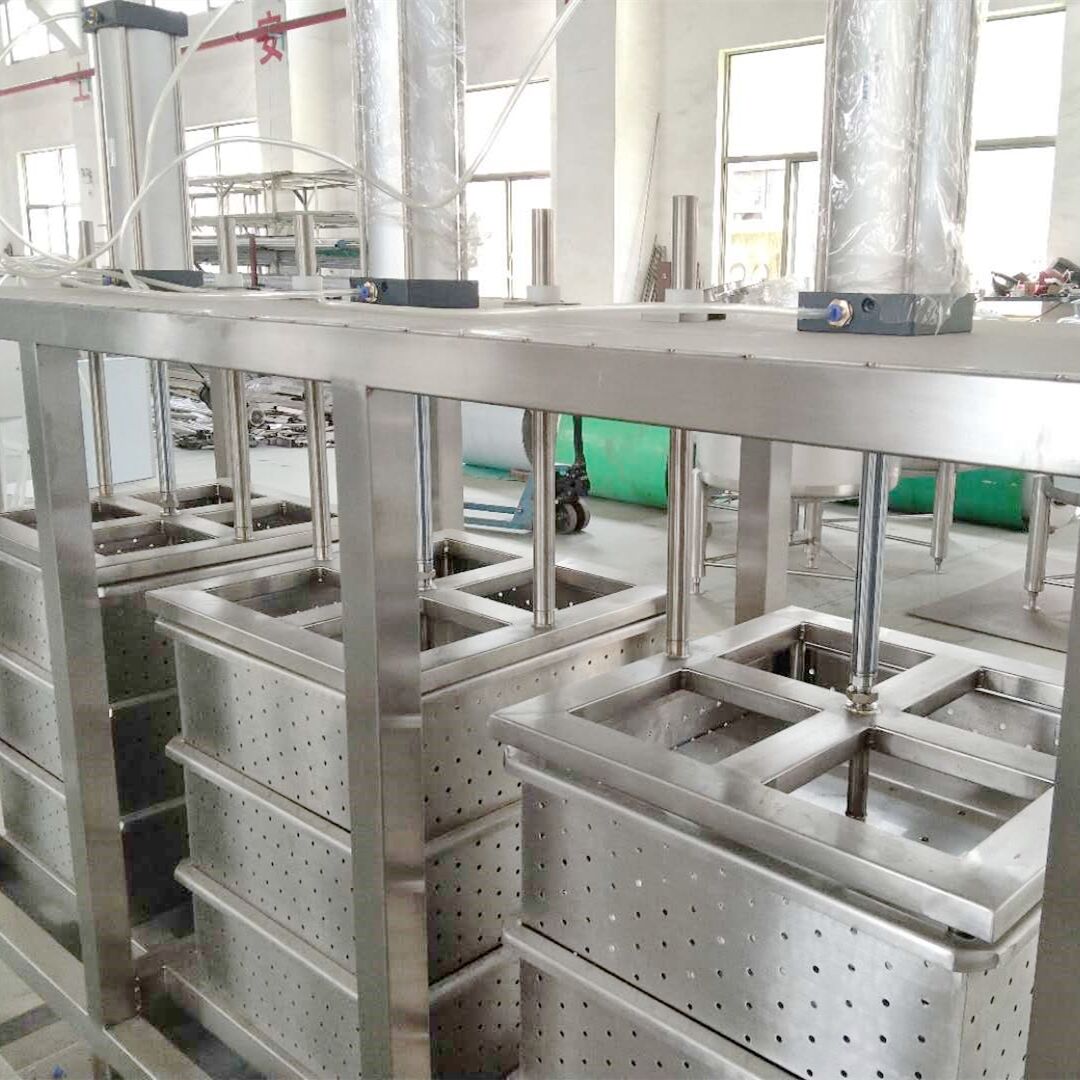
היתרונות הטכנולוגיים של השקעה במכונות דחיסה לפניר של Weishu
העיצוב ההנדסי של ציוד ויסו מתואם בקפידה עם דרישות הניקיון והתהליכים הקפדניות של תעשיית החלב:
- דיוק ברגולציה ליניארית של הלחץ: תומך באיזון עדין של הלחץ עבור גבינות בשלבים שונים של הבגרות, ומשמר את מבנה הקריש.
- עיצוב הנדסי ניקיון: כל המכונה עשויה נירוסטה דרגת מזון מסוג 304, ותהליך הלחיצה ללא חיבורים משולב עם מסגרת פתוחה מפחיתים במידה רבה את קושי הניקוי ואת סיכון הנטיעות הביולוגיות.
- מערכת drainge: מיכל איסוף הסרומא המשולב מבטיח שהנוזל המופק מופנה במהירות, ומונע מהבלוקים של הגבינה לספוג שוב לחות.
- הפחתת כוח אדם ושיפור יעילות: הפעלה אוטומטית של לוגיקת הדחיסה משחררת טכנאים מנוסים מעבודת כפיים כבדה, ומאפשרת להם להתמקד בשיפור התהליכים.
המלצת בחירה: להתמקד ביעילות הפלט ולא בפרמטר בודד.
בעת בחירת הציוד, אנו ממליצים שלקוחות יתמקדו באורח הבא בהערכת שלושת הממדים הבאים:
- קיבולת עיבוד יומית: חשב את מספר תחנות הכבישה בהתבסס על נפח הגבינה היומי הכולל, ומומלץ לשמור מרווח קיבולת של 15% כדי להתמודד עם עונת השיא.
- אוניברסליות של התבניות: בדקו את התאימות של הציוד לתבניות בצורות שונות (גלגלים עגולים, לבנים מרובעות או צורות מיוחדות) ואת מהירות המעבר בין תבניות.
- תשתית מרחבית: בחרו תצורה אנכית (שטח תפוסה קטן) או אופקית (קל לשלב עם מסוע אוטומטי) בהתאם לזרימת התנועה במפעל.
מסקנה: ביצועי איכות עקביים מחזקים את היכולת התחרותית בשוק.
בשוק החלב המתחרה ביותר, איכות מוצר עקיבה היא יסודית כדי לזכות באמון ערוצי הפצה. השקת מכונת הדחיסה לא сыры Vishy הפעמית אינה רק החלפת ציוד פשוטה, אלא שדרוג סטנדרטי של תהליך הייצור.
בתהליך דחיסה מדעי יותר תוכלו להשיג תשואה גבוהה יותר, אובדים נמוכים יותר ואיכות מקצועית עם פוטנציאל גבוה יותר למחיר פרימיום על המדף למוצר הסופי.