
 EN
EN
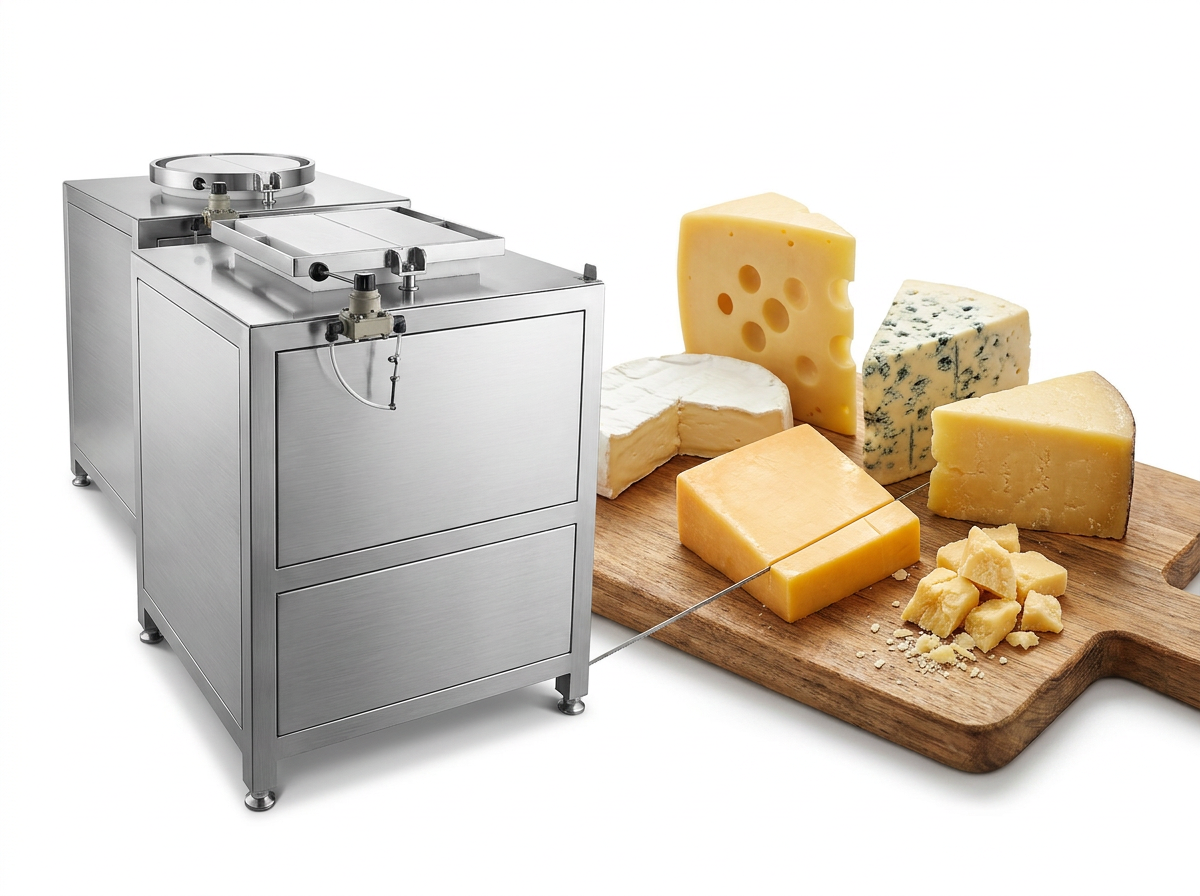
Where Does Cheese Get Damaged in High-Volume Manufacturing?
Introduction – Understanding the Stakes in Cheese Production
When you think about cheese, you might imagine a soft, creamy block or a perfectly elastic mozzarella string, but behind that delightful bite is a highly complex manufacturing process. High-volume cheese production is a tightrope walk between speed, efficiency, and maintaining impeccable quality. With the growing global demand for cheese—projected to reach over 27 million tons in annual production by 2030—manufacturers are under immense pressure to produce large quantities without compromising the product.
Even minor defects, such as tiny cracks, uneven moisture, or holes in the curd, can spiral into significant financial losses. A single batch of damaged cheese may mean wasted raw materials, additional labor costs, and delayed shipments. Beyond the economic impact, these defects can erode customer trust and tarnish a brand’s reputation. This is where cheese manufacturing quality control comes into play. By combining proper equipment, strict hygiene practices, and skilled operators, manufacturers can minimize these risks, ensuring each wheel of cheese meets rigorous standards.
Common Points of Damage in Cheese Manufacturing
High-volume production is efficient, but it exposes cheese to multiple points of vulnerability.
Damage During Milk Reception and Initial Handling
The journey begins the moment milk enters the plant. Any contamination or improper handling at this stage can introduce bacteria that compromise the entire batch. Even slight temperature deviations during transport can alter milk proteins, affecting curd formation later. Staff must carefully inspect milk quality, checking fat content, acidity, and microbial counts to prevent early-stage defects.
Risks During Pasteurization and Curd Formation
Pasteurization is critical for safety but can be harsh on delicate milk proteins. Overheating or uneven heating can lead to weak curds that are prone to breaking during pressing. Similarly, improper coagulation—whether due to enzyme mismanagement or timing errors—can result in inconsistent textures that manifest later as cracks or holes.
Mechanical Stress During Curd Cutting and Whey Removal
Once curds form, they must be carefully cut and stirred to release whey. Poorly calibrated cutting tools or overzealous agitation can damage the delicate curd structure. The wrong blade angle or inconsistent stirring speed can introduce tears, leading to uneven moisture distribution. These early mechanical stresses often appear downstream as irregular textures or brittle cheese.
Impact of Temperature Fluctuations in Storage and Transport
Even after pressing and shaping, cheese remains sensitive to environmental conditions. Fluctuations in storage temperatures or humidity levels can cause unwanted moisture migration, leading to cracking, stickiness, or premature spoilage. Consistent cold-chain management is essential to preserve both taste and texture.
Role of Cheese Processing Equipment in Quality Control
Modern cheese processing equipment is more than a convenience—it’s the backbone of reliable quality control.
Overview of Essential Machinery
Every high-volume plant relies on several key machines:
- Cheese vat – for coagulation and initial curd formation
- Cheese press – to shape curds and remove excess whey
- Cheese cutter – for consistent sizing and portioning
- Cheese stretching machine – critical for mozzarella and pasta filata cheeses
Each piece of equipment plays a vital role in ensuring the final product meets desired specifications.
How Equipment Design Influences Texture and Consistency
Equipment isn’t just about capacity; it’s about precision. For example, vats with poor temperature control can create uneven curds, while presses that apply inconsistent pressure can cause cracks or holes. Stretching machines that move too quickly or slowly can alter the elasticity, making cheese either rubbery or fragile.
Case Study: How Weishu Machinery Enhances Batch Integrity
Weishu Machinery designs equipment with sanitary features, precise temperature control, and automated adjustments to reduce human error. Their cheese vats maintain even heat distribution, presses apply uniform pressure, and cutters ensure consistent block sizes—all contributing to higher batch integrity and less product waste.
Cheese Vat: Foundation of Quality Control
The cheese vat is the first point where milk transforms into cheese, making it pivotal for quality.
Preventing Contamination at the Curd Stage
Vats must be fully sanitary, constructed from stainless steel, and easy to clean. Even minor microbial contamination at this stage can compromise an entire batch. Weishu’s vats incorporate automated cleaning systems, reducing human contact and lowering contamination risk.
Maintaining Even Temperature Distribution
Temperature uniformity is critical for coagulation. Hot or cold spots can cause weak curds prone to breaking during pressing. Advanced vats use built-in circulation systems to maintain consistent heat across the entire tank, ensuring uniform curd formation.
Monitoring pH and Moisture Levels for Optimal Curd Formation
pH and moisture control determine texture and taste. Continuous monitoring with automated sensors allows operators to adjust coagulant levels and cooking times in real time, preventing early defects that could manifest later in the cheese lifecycle.
Cheese Press: Avoiding Texture Defects
Pressing shapes the cheese and removes whey, but errors here are costly.
Common Pressing Mistakes That Damage Curd Structure
Applying too much pressure too quickly can crush curds, leading to cracks or holes. Conversely, insufficient pressure leaves excess whey, producing overly moist cheese that spoils faster. Timing, pressure, and even the sequence of pressing stages must be carefully managed.
Sanitary Features in Modern Presses
Sanitation is crucial. Modern presses from Weishu feature smooth surfaces, automated washing, and minimal crevices where bacteria can hide. These features ensure cheese remains uncontaminated while being shaped efficiently.
Cheese Cutter: Ensuring Uniformity and Safety
Cutting may seem trivial, but in high-volume operations, it’s another point where damage can occur.
How Improper Cutting Can Introduce Cracks and Holes
Blunt blades, inconsistent pressure, or incorrect angles can tear the cheese, creating weak points. These micro-defects often grow during packaging or transport, negatively affecting texture.
Reducing Cross-Contamination Risk During High-Volume Processing
Automated cutters reduce human contact and minimize cross-contamination risks. Regular blade sterilization and precision alignment also help maintain uniformity across thousands of cheese blocks.
Cheese Stretching Machine: Maintaining Elasticity
Stretching transforms curd into the elastic, stringy texture seen in mozzarella and pasta filata cheeses.
Stretching Errors That Compromise Texture
Stretching too fast can break the curd, while stretching too slow can make it sticky or gummy. Both scenarios compromise the cheese’s mouthfeel and structural integrity.
Role in Mozzarella and Pasta Filata Production
This machine defines the signature pull-apart quality of mozzarella. Proper stretching ensures cheese can melt evenly and retains the desired elasticity, crucial for both consumer satisfaction and culinary applications.
Temperature and Speed Optimization for Consistent Quality
Advanced stretching machines monitor water temperature, curd temperature, and stretch speed in real time. Automated adjustments ensure every batch has consistent stretchiness, moisture content, and texture.
Common Texture Defects and Their Causes
Even with proper equipment, texture issues can still arise.
Cracks and Fissures: Why They Happen
Cracks often result from uneven moisture distribution, mechanical stress during cutting, or over-pressing. Monitoring environmental conditions and equipment calibration helps prevent these defects.
Holes and Air Pockets: How to Prevent Them
Air pockets are usually a byproduct of over-agitation, trapped gas, or rapid pressing. Controlled stirring and careful pressing mitigate these unwanted voids.
Overly Dry or Too Moist Cheese: Balancing Moisture Content
Moisture affects both taste and shelf life. Insufficient whey removal creates wet, spoilage-prone cheese, while excessive pressing yields dry, crumbly cheese. Sensors in vats and presses allow precise moisture adjustments.
Preventive Maintenance of Cheese Processing Equipment
Consistent quality depends on keeping equipment in top shape.
Cleaning Protocols to Prevent Contamination
Daily cleaning with hot water and food-safe sanitizers removes residues that could harbor bacteria. Weishu machines are designed for easy disassembly and cleaning.
Scheduled Maintenance to Avoid Mechanical Failures
Regular inspection of blades, press plates, and stretching belts prevents unexpected breakdowns. A maintenance schedule ensures uninterrupted high-volume production.
Upgrading Old Equipment for Consistent Output
Older machines may lack precision controls or sanitary features. Investing in upgraded equipment can drastically reduce defects, increase efficiency, and improve safety.
Innovations in High-Volume Cheese Production
Smart sensors, automated monitoring, and AI-driven predictive maintenance are transforming cheese manufacturing. Real-time data allows operators to catch potential defects before they occur, ensuring consistent quality even at massive scales.
Cost Implications of Poor Quality Control
Financial Losses from Batch Rejection
A rejected batch means wasted milk, labor, packaging, and shipping costs. In high-volume production, even a 1% defect rate can translate to thousands of dollars lost per day.
Long-Term Brand Damage and Client Trust
Repeated quality issues erode confidence. Retailers may switch suppliers, and consumers may question the brand’s reliability, affecting long-term profitability.
ROI from Investing in High-End Cheese Processing Equipment
Investing in precision machinery like Weishu’s vats, presses, cutters, and stretching machines reduces waste, improves texture consistency, and ensures hygiene—all contributing to higher ROI over time.
Choosing the Right Equipment Partner
Why Selecting a Reliable Brand Like Weishu Machinery Matters
Reliable equipment reduces downtime, improves product consistency, and ensures compliance with food safety standards. Brands like Weishu offer advanced features and strong customer support.
Matching Production Capacity with Equipment Specifications
High-volume plants need machines that match their throughput requirements. Overloading underpowered equipment can lead to frequent failures and defective cheese.
Customer Support and Spare Part Availability
Even the most advanced cheese processing equipment requires occasional maintenance and replacement parts. When selecting an equipment supplier, manufacturers should look beyond the machine specifications and evaluate the level of after-sales support available. Delays in obtaining spare parts can bring an entire production line to a halt, resulting in missed delivery schedules and unnecessary financial losses.
Weishu Machinery provides technical support, equipment training, and readily available spare parts to help customers maintain stable production. Fast response times are particularly important in high-volume operations, where every hour of downtime can impact profitability. A reliable equipment partner becomes an extension of the manufacturer's quality control strategy, helping maintain consistent product quality throughout the equipment lifecycle.
Standardization in Cheese Manufacturing
SOPs for Each Stage: Vat, Press, Cutter, Stretching Machine
Successful cheese manufacturing quality control depends on standardized operating procedures (SOPs). Even with state-of-the-art equipment, inconsistent operating methods can create significant quality variations between batches. Standardization ensures that every operator follows the same process, reducing variability and minimizing the risk of defects.
For the cheese vat, SOPs should define milk loading parameters, temperature settings, coagulation times, and pH targets. During the pressing stage, operators must follow predefined pressure schedules and holding times to achieve consistent moisture levels. The cheese cutter requires standardized blade inspection, sanitation, and cutting speed procedures to prevent mechanical damage to the curd structure.
For mozzarella and pasta filata production, the cheese stretching machine should operate according to carefully documented temperature and stretching-speed parameters. Deviations from these standards can quickly result in texture inconsistencies, poor elasticity, or reduced meltability.
Manufacturers that implement detailed SOPs often experience lower defect rates, improved product consistency, and easier employee training. Standardization also simplifies audits, regulatory compliance, and continuous improvement initiatives. In large-scale cheese plants, SOPs transform quality control from a reactive process into a proactive system that prevents problems before they occur.
Conclusion
Key Takeaways for Preventing Cheese Damage
Cheese can be damaged at virtually every stage of the manufacturing process, from milk reception and curd formation to cutting, pressing, stretching, storage, and transportation. While some defects may appear minor at first, they often develop into significant quality issues that affect texture, appearance, shelf life, and customer satisfaction.
The foundation of effective cheese manufacturing quality control lies in identifying critical control points and implementing preventive measures throughout the production line. Proper sanitation, temperature control, moisture management, and standardized operating procedures all play essential roles in protecting product quality.
Equally important is investing in reliable cheese processing equipment. Equipment such as the cheese vat, cheese press, cheese cutter, and cheese stretching machine directly influence curd integrity, moisture distribution, elasticity, and overall product consistency. Modern systems equipped with automation, monitoring sensors, and hygienic designs help manufacturers reduce defects while increasing production efficiency.
For dairy processors seeking to scale production without sacrificing quality, partnering with an experienced equipment supplier is a strategic advantage. Weishu Machinery provides advanced cheese manufacturing solutions designed to minimize product damage, improve operational efficiency, and support long-term business growth.
As cheese production volumes continue to rise worldwide, manufacturers that prioritize quality control, preventive maintenance, and equipment innovation will be best positioned to protect their brands, reduce waste, and deliver consistently high-quality cheese to the market.
Table of Contents
- Where Does Cheese Get Damaged in High-Volume Manufacturing?
- Introduction – Understanding the Stakes in Cheese Production
- Common Points of Damage in Cheese Manufacturing
- Role of Cheese Processing Equipment in Quality Control
- Cheese Vat: Foundation of Quality Control
- Cheese Press: Avoiding Texture Defects
- Cheese Cutter: Ensuring Uniformity and Safety
- Cheese Stretching Machine: Maintaining Elasticity
- Common Texture Defects and Their Causes
- Preventive Maintenance of Cheese Processing Equipment
- Innovations in High-Volume Cheese Production
- Cost Implications of Poor Quality Control
- Choosing the Right Equipment Partner
- Standardization in Cheese Manufacturing
- Conclusion